Body: In most IT environments, there are different types of networks, different ways the networks are used, and different types of connectivity for the different hosts. System Center Virtual Machine Manager (VMM) 2012 R2 provides the various architectural components (e.g., port profiles, logical networks, logical switches, virtual networks) to enable even highly complex network environments to be configured, which simplifies future administration. However, the initial networking configuration can be…
Read MoreComparing the differences between Antispam agents from Exchange 2010 to Exchange 2013
Body: Microsoft has built in Anti spam feature which can be enabled from Exchange 2003 versions. We can enable this feature as a part of additional security along with additional spam configurations and settings that have been configured before it reaches our network. But we need to always ensure that we are aware of all the settings configured in the spam filtering in our organization in all the levels…
Read MoreCertificate Planning in Exchange 2013
Body: Now that we understand the load balancing and namespace planning principles and how clients connect in an Exchange 2013 environment that has Exchange 2007 and/or Exchange 2010 deployed, the proper certificates can be constructed and deployed as part of the upgrade process. Of course it goes without saying that there are a few rules you should follow in crafting your certificates: Use as few certificates as possible. Use as…
Read MoreEmail your notes into OneNote with me@onenote.com
Body: Microsoft has announced three major OneNote developments, including me@onenote.com. One of the goals is to make it easy to get content into OneNote, no matter where you are or what app you’re using. me@onenote.com is a big step towards that goal. Now, you can use any ‘Email this’ button to send content to OneNote. Email to OneNote is a great way to forward receipts, travel itineraries or documents that you…
Read MoreTools for validating a hybrid deployment
Body: As described in the Office 365 CON 2014 Virtual Conference sessions, “Stairway to heaven – Best practices for Hybrid Deployments”, it is very important that you validate your on-premises environment before getting started with the hybrid bits. The reason why this is so important has to do with the many interactions between Office 365 [the cloud] and your on-premises environment. Let’s take a look at what components are…
Read MoreHow to use a free SSL certificate for Exchange testing
Body: Occasionally you’ll need to test a specific Exchange functionality in the real world, and that demands a publicly registered domain, MX records, a public IP address and so on. You may already have a publicly registered domain, or you are probably using a service such as DynDNS or FreeDNS that gives you automatic and *free* DNS registration and a public (sub)domain name that is valid on the…
Read MoreOffice 365 Message Encryption — now rolling out!
Body: In November 2013, Microsoft has announced Office 365 Message Encryption, a new easy-to-set-up-and-use email service that allows you to send encrypted mail to anyone. Today, we’re announcing the general availability of Office 365 Message Encryption. To start using the message encryption service today, you can purchase a subscription for Windows Azure Rights Management, which also includes Information Rights Management capabilities, giving you a comprehensive solution to help protect your…
Read MoreConverting ADFS domains to DirSync with Password sync, step by step
Body: In this post I’m not going to cover the advantages of dirsync with password sync. You can find a lot of articles on this blog to help you with that. But what do you do when you are convinced that you want to transition from ADFS to DirSync with password sync. First you have to realize is that it’s a completely different user experience. So make sure your…
Read MoreConverting ADFS domains to DirSync with Password sync, step by step
Body: In this post I’m not going to cover the advantages of dirsync with password sync. You can find a lot of articles on this blog to help you with that. But what do you do when you are convinced that you want to transition from ADFS to DirSync with password sync. First you have to realize is that it’s a completely different user experience. So make sure your…
Read MoreOffice 365 Essentials Book
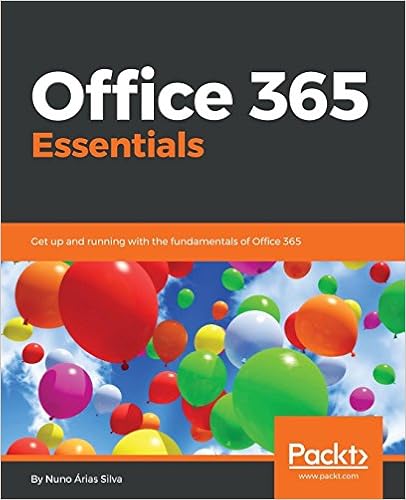
 Nuno Árias Silva Website
- Weekly digest: Office 365 changes – 9 to 13 March News #Office365 #458 16/03/2026
- Weekly digest: Office 365 changes – 2 to 6 March News #Office365 #457 09/03/2026
- Weekly digest: Office 365 changes – 23 to 28 February News #Office365 #456 02/03/2026
- Weekly digest: Office 365 changes – 16 to 20 February News #Office365 #455 23/02/2026
- Weekly digest: Office 365 changes – 9 to 13 February News #Office365 #454 16/02/2026